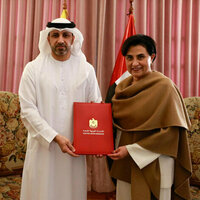


On the first day of the United Nations Ocean Conference (UNOC) in Nice, France, on Monday, 18 new countries ratified the High Seas Treaty fora total of 49just 11 shy of the 60 needed for the agreement to be enforced.
By Cristen Hemingway Jaynes
The swell of support added momentum to what could end up being a historic sea change in how the open ocean is governed.
Director of the High Seas AllianceRebecca Hubbardcalled the ratifications a powerful victory for the people who have pushed for high seas protections to take center stage on the worlds environmental agenda, reported Euronews.
At the start of the summit, President of the European Commission Ursula von der Leyen said 40 million euros had been pledged to the Global Ocean Program by the European Union to bring the High Seas Treaty to life.
The funds will be put toward supporting the efforts of African, Pacific and Caribbean nations to ratify and implement the High Seas Treaty.
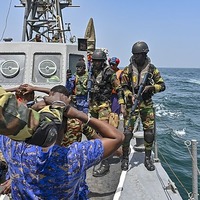
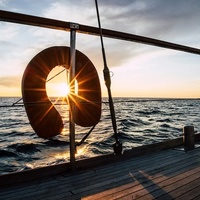
Nearly two-thirds of the planets seas are beyond any nations jurisdiction. In thesehigh seaslie over90 percentof marine habitat, as well as some of the richestbiodiversityon Earth, Conservation International said. But despiteplastic pollution,overfishingandclimate change, just one percent of these waters are currently protected, withseabed mininglooming on the horizon.
The High Seas Treaty formally the Agreement on Biodiversity Beyond National Jurisdiction is the first agreement focused on the protection of marine biodiversity in international seas to be legally binding, The Associated Press reported.
The High Seas Treaty is crucial for meeting the global 3030 goal an international promise to safeguard 30 percent of the worlds land and sea by the end of the decade.
The treaty creates the legal framework for the establishment of marine protected areas by nations in the high seas. This includes rules surrounding destructive activities such as deep-sea mining and geoengineering.
Importantly, decisions under the High Seas Treaty are to be made through conferences of parties (COPs), not by individual countries.
Once 60 ratifications are reached, a 120-day countdown starts before the treaty can officially be enforced. Once this time period elapses, protected areas can be designated and oversight mechanisms can be implemented.
The first Conference of the Parties (COP1) for the High Seas Treaty must take place within a year of it coming into force. The meeting will establish the treatys groundwork for implementation, including its financing, governance and the creation of main bodies for the evaluation of marine protection proposals.
Among the nations that have just signed on to the treaty include the Pacific small island nations of Tuvalu and Vanuatu, Guinea-Bissau, Jamaica, the Solomon Islands and the Bahamas.
Cristen is a writer of fiction and nonfiction. She holds a JD and an Ocean & Coastal Law Certificate from University of Oregon School of Law and an MA in Creative Writing from Birkbeck, University of London. She is the author of the short story collection The Smallest of Entryways, as well as the travel biography, Ernests Way: An International Journey Through Hemingways Life.
EcoWatch